Maintaining steel stamping dies is essential for ensuring consistent product quality, minimizing downtime, and extending the service life of your tooling investment. A well-structured steel stamping die maintenance guide can help manufacturers and toolroom professionals avoid costly repairs and production interruptions. This article outlines practical steps, best practices, and expert tips for keeping your dies in optimal condition, whether you’re running high-volume production or short-run jobs.
If you’re new to metal forming or want to deepen your understanding of the what is steel stamping process, you’ll find that proper care of dies is a cornerstone of efficient operations. Let’s explore how to create a proactive maintenance routine that maximizes tool longevity and process reliability.

Why Preventive Maintenance Matters for Steel Stamping Dies
Preventive care is the foundation of any steel stamping die maintenance guide. Without regular inspection and upkeep, even the highest-quality dies will wear prematurely, leading to burrs, dimensional inaccuracies, or catastrophic failure. A systematic approach to maintenance helps:
- Reduce unplanned downtime and emergency repairs
- Maintain part quality and dimensional consistency
- Extend the lifespan of expensive tooling
- Lower long-term operational costs
- Improve workplace safety by minimizing unexpected breakdowns
By integrating scheduled checks and cleaning into your workflow, you can catch issues early and avoid production delays.
Key Steps in a Comprehensive Die Maintenance Program
A robust die care strategy includes a mix of daily, periodic, and as-needed tasks. The following steps form the backbone of a successful program:
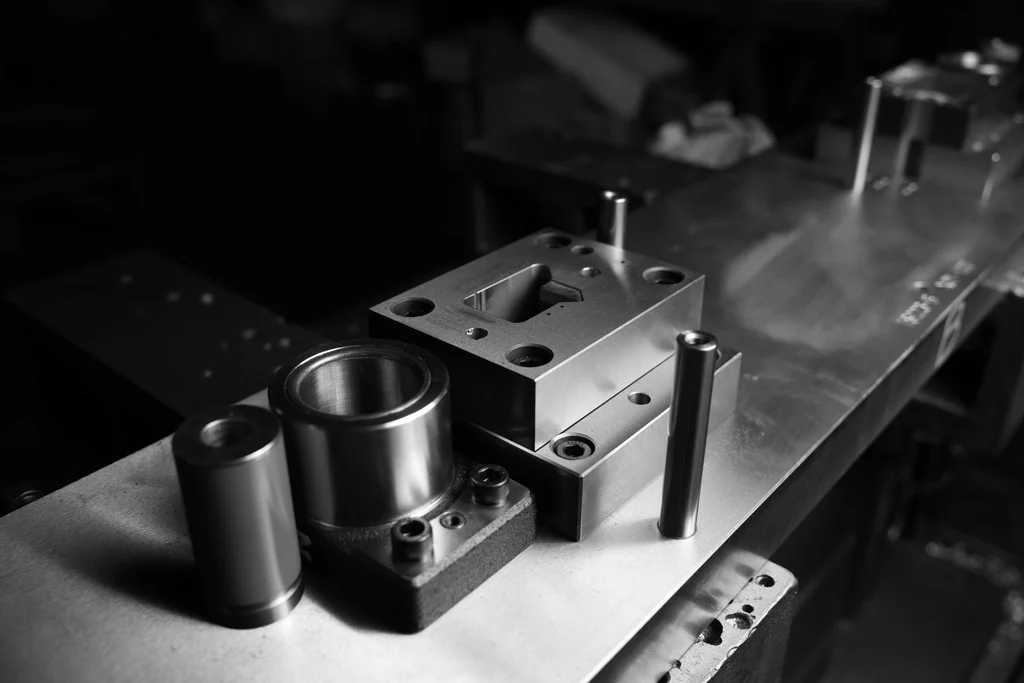
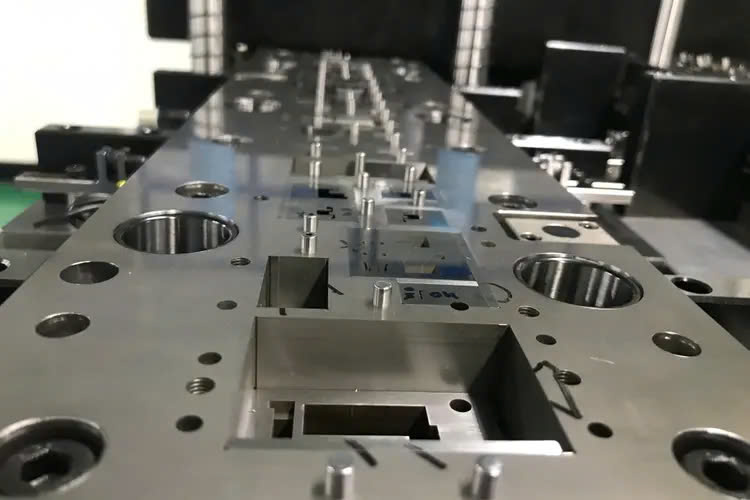
- Initial Inspection: After each production run, visually inspect the die for signs of wear, chipping, or galling. Pay special attention to cutting edges, punches, and die inserts.
- Cleaning: Remove all debris, slugs, and lubricant residues. Use non-abrasive brushes and lint-free cloths to avoid scratching or contaminating surfaces.
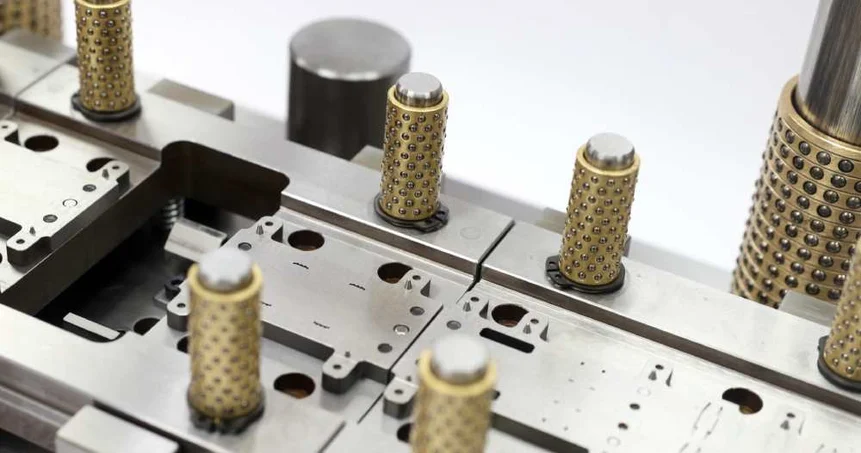
- Lubrication: Apply appropriate lubricants to moving parts, guide pins, and bushings. This reduces friction and prevents premature wear.
- Component Check: Examine springs, fasteners, and alignment blocks. Replace any worn or damaged parts immediately.
- Functional Testing: Before reinstalling the die, perform a dry run to ensure all components move freely and align correctly.
- Documentation: Record all maintenance actions in a logbook or digital tracking system. This helps identify recurring issues and plan future interventions.
Common Issues and Troubleshooting in Die Maintenance
Even with a solid maintenance plan, certain problems can arise. Recognizing early warning signs and addressing them promptly is key to avoiding larger failures. Here are some typical issues and how to handle them:
- Burr Formation: Dull cutting edges or misaligned punches can cause burrs on stamped parts. Sharpen or replace affected components and check die alignment.
- Galling and Scoring: Inadequate lubrication or contaminated surfaces lead to metal transfer and surface damage. Clean thoroughly and use the correct lubricant.
- Spring Fatigue: Springs lose tension over time, resulting in incomplete part ejection or die closure. Replace springs on a scheduled basis.
- Misfeeds or Jamming: Foreign objects, worn guides, or improper strip alignment can cause feeding problems. Inspect and clean all feed paths regularly.
For a deeper dive into troubleshooting and repair, resources like this detailed overview of stamping die repair and maintenance basics can provide further insights.
Best Practices for Maximizing Die Longevity
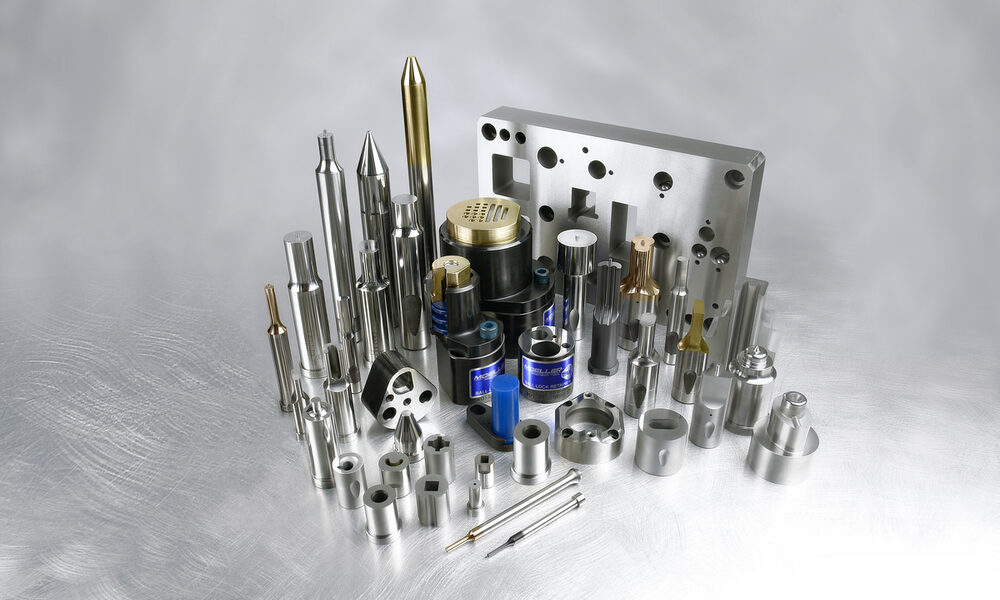
Extending the life of your tooling involves more than just routine cleaning. Consider these best practices to get the most from your investment:
- Standardize Procedures: Develop clear, written maintenance protocols for all team members to follow. Consistency reduces errors and oversights.
- Invest in Quality Storage: Store dies in a clean, dry environment with adequate protection from dust and moisture. Use racks or cabinets designed for heavy tooling.
- Monitor Wear Patterns: Track which die components wear fastest and adjust preventive schedules accordingly. This data-driven approach helps prioritize resources.
- Train Staff Regularly: Ensure all operators and maintenance personnel understand the importance of proper die care and how to spot early signs of trouble.
- Leverage Technology: Use digital maintenance logs and sensors to monitor die usage and condition, enabling predictive maintenance and reducing unplanned downtime.
Integrating Die Maintenance with Overall Shop Safety
Proper die care not only protects tooling but also contributes to a safer workplace. Regular inspections help identify hazards such as loose fasteners or damaged springs before they cause injury. For those interested in broader safety strategies, explore our independent living safety best practices for additional guidance on maintaining a secure and efficient work environment.
FAQ: Steel Stamping Die Maintenance
How often should steel stamping dies be maintained?
The frequency of maintenance depends on production volume, material type, and die complexity. As a general rule, inspect and clean dies after every production run. High-volume operations may require daily checks, while low-volume or prototype work can follow a less frequent schedule. Always refer to your die manufacturer’s recommendations.
What are the most common causes of die failure?
The leading causes include lack of lubrication, improper cleaning, misalignment, and delayed replacement of worn components. Environmental factors such as humidity and contamination also contribute to premature wear. Following a structured steel stamping die maintenance guide helps mitigate these risks.
Can damaged dies be repaired, or should they always be replaced?
Many minor issues, such as dull cutting edges or worn springs, can be repaired by skilled toolmakers. However, severe cracks, deep scoring, or repeated failures may require full replacement. Timely maintenance and early intervention are key to maximizing repairability and minimizing costs.
Conclusion
A disciplined approach to die care is vital for any stamping operation aiming for efficiency and product consistency. By implementing the strategies outlined in this article, you’ll reduce downtime, extend tool life, and maintain high-quality output. Remember, every minute spent on preventive maintenance pays dividends in reduced repairs and smoother production.