

Living independently offers freedom and autonomy, but it also brings unique safety considerations, especially for older adults and individuals with specific needs. Understanding and applying independent living safety best practices can help create a secure, comfortable environment that supports well-being and peace of mind. This article explores essential strategies, practical tips, and resources to help anyone maintain safety while enjoying the benefits of independent living.
For those seeking additional support, independent living safety programs offer structured guidance and community resources tailored to individual needs.
Creating a Safe Home Environment for Independent Living
A secure home is the foundation of successful independent living. Start by conducting a thorough assessment of your living space to identify and address potential hazards. Simple adjustments can significantly reduce risks and foster confidence in daily routines.
- Remove tripping hazards: Secure loose rugs, keep walkways clear, and organize cords to prevent falls.
- Improve lighting: Ensure all rooms, hallways, and entryways are well-lit. Install nightlights in bathrooms and bedrooms.
- Install grab bars and handrails: Place these supports in bathrooms, stairways, and other high-risk areas.
- Check smoke and carbon monoxide detectors: Test alarms monthly and replace batteries regularly.
- Keep emergency numbers accessible: Post important contacts near phones and save them on mobile devices.
For a comprehensive approach, consider using a independent living safety assessment to evaluate your home and identify areas for improvement.
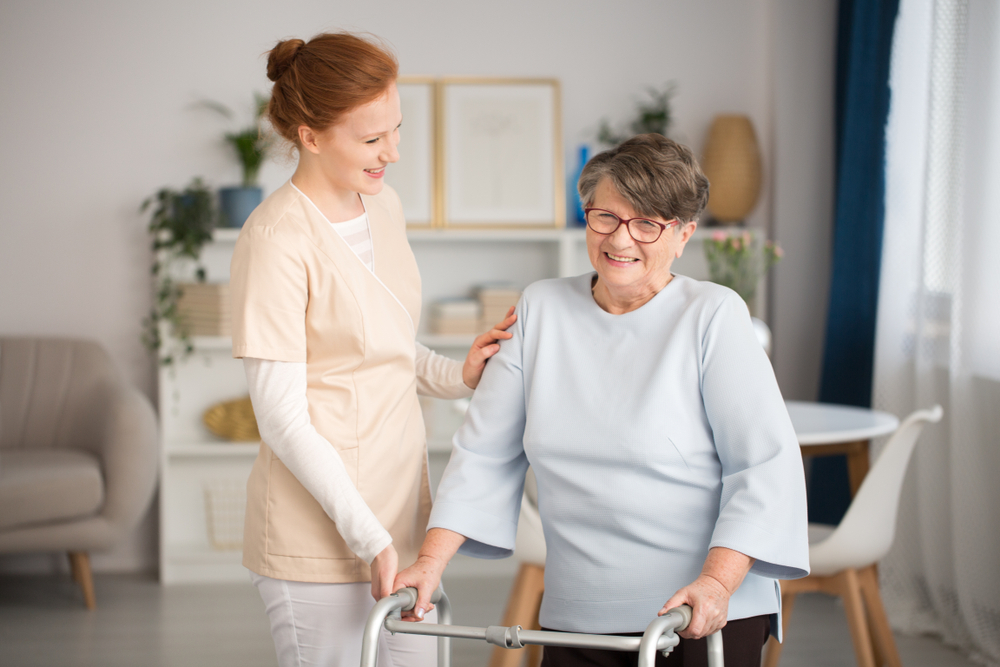
Personal Safety Strategies for Independent Adults
Beyond the physical environment, personal safety habits play a crucial role in maintaining independence. Adopting proactive routines and staying informed can help prevent accidents and respond effectively to emergencies.
- Maintain regular check-ins: Arrange daily or weekly calls with family, friends, or neighbors.
- Use medical alert systems: Wearable devices can provide immediate assistance in case of falls or health emergencies.
- Keep medications organized: Use pill organizers and set reminders to avoid missed or double doses.
- Practice safe cooking: Never leave stoves unattended and keep flammable items away from heat sources.
- Secure entry points: Always lock doors and windows, and use peepholes or cameras to identify visitors.
For more tips on managing daily stress and maintaining well-being, explore stress management living alone resources.
Technology and Tools for Enhanced Security
Modern technology offers a range of solutions to support independent living safety best practices. From smart home devices to emergency response systems, these tools can provide reassurance and immediate help when needed.
- Smart locks and doorbell cameras: Monitor and control access to your home remotely.
- Motion-sensor lighting: Automatically illuminate pathways and deter intruders.
- Voice-activated assistants: Set reminders, call for help, or control appliances hands-free.
- Medication management apps: Track prescriptions and receive alerts for refills or doses.
- Emergency alert pendants: Connect directly to emergency services or designated contacts.
Embracing these technologies can enhance confidence and reduce anxiety about living alone, especially for seniors and those with mobility challenges.

Community Resources and Support Networks
No one should feel isolated when striving for independence. Community organizations, local agencies, and online platforms offer valuable support for those living on their own. Connecting with these resources can provide both practical assistance and social engagement.
- Neighborhood watch programs: Join local groups to stay informed about safety concerns and build community ties.
- Transportation services: Access reliable rides for shopping, appointments, and social activities.
- Meal delivery and home care: Arrange for regular meal deliveries or in-home support as needed.
- Educational workshops: Attend sessions on fall prevention, emergency preparedness, and health management.
- Online forums and helplines: Find advice and companionship through digital communities and support lines.
For a curated list of helpful organizations and services, visit independent living safety resources.
Financial and Identity Protection for Independent Adults
Safety extends beyond the physical environment. Protecting personal information and finances is essential for those living independently. Scams and identity theft can target anyone, but older adults are often at higher risk.
- Shred sensitive documents: Dispose of bank statements, bills, and medical records securely.
- Monitor financial accounts: Check statements regularly for unauthorized transactions.
- Be cautious with unsolicited calls or emails: Never share personal information unless you are certain of the recipient’s identity.
- Use strong passwords: Create unique passwords for online accounts and update them regularly.
- Enroll in fraud alerts: Many banks and credit card companies offer free alert services.
For more detailed advice, see our guide on identity theft prevention seniors.
Checklists and Ongoing Evaluation
Regularly reviewing your living situation helps maintain a safe environment. Using a home safety checklist ensures nothing is overlooked and allows for timely updates as needs change. For a thorough reference, consult the independent living home safety checklist for practical steps and reminders.
- Schedule periodic home safety reviews
- Update emergency contacts and plans
- Test alarms and safety devices monthly
- Assess mobility aids and medical equipment for wear and tear
- Stay informed about new safety technologies and resources
Making safety an ongoing priority supports independence and quality of life, allowing you to adapt to changes with confidence.
Frequently Asked Questions
What are the most important safety measures for independent living?
The most critical steps include removing tripping hazards, installing grab bars, ensuring good lighting, keeping emergency numbers accessible, and using smoke and carbon monoxide detectors. Regular check-ins with loved ones and using medical alert systems also enhance safety.
How can technology help with independent living safety?
Technology such as smart locks, motion-sensor lights, emergency alert pendants, and medication management apps can provide real-time support, prevent accidents, and connect you with help quickly if needed.
Where can I find more resources for safe independent living?
Community organizations, online support groups, and local agencies offer a wide range of resources. For a curated selection, visit independent living safety resources for more information.