
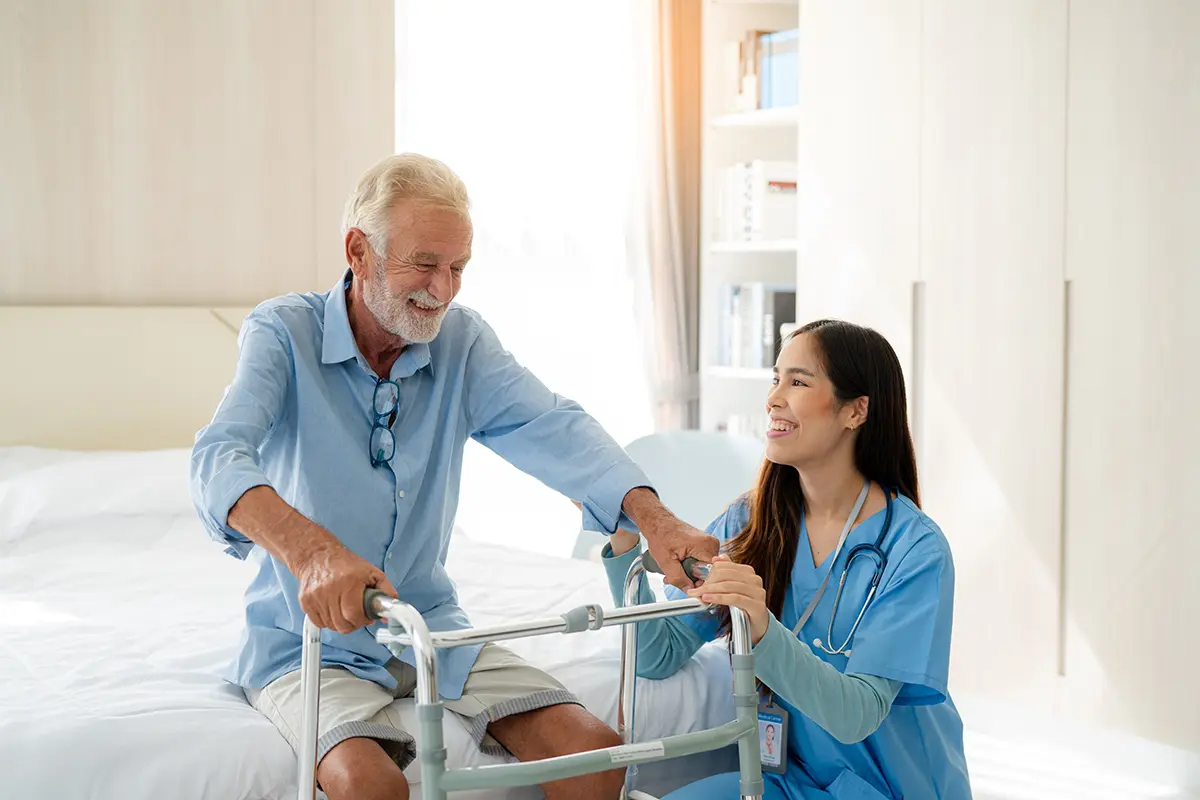
As more older adults choose to remain in their own homes or within senior communities, the importance of independent living safety programs continues to grow. These initiatives are designed to help seniors maintain autonomy while reducing risks related to falls, emergencies, and everyday hazards. By understanding the available options and best practices, families and individuals can make informed decisions that support both safety and quality of life.
Whether you’re a senior living alone, a family member, or a caregiver, knowing how to assess and improve home safety is crucial. For a comprehensive approach to evaluating your living environment, consider using an independent living safety assessment to identify potential risks and solutions tailored to your needs.
Understanding Safety Initiatives for Seniors Living Independently
Programs focused on senior safety aim to address the unique challenges faced by older adults who wish to live independently. These initiatives often combine education, technology, and community resources to create a safer environment. Some key components include:
- Home modifications to reduce fall risks and improve accessibility
- Emergency response systems for immediate help in case of accidents
- Health monitoring and medication management tools
- Community engagement and social support networks
By participating in these safety programs, seniors can enjoy greater confidence and peace of mind, knowing that support is available when needed.
Key Features of Effective Independent Living Safety Programs
Not all safety initiatives are created equal. The most effective ones are comprehensive, adaptable, and easy to use. Here are some features to look for:
- Personal emergency response systems (PERS): Wearable devices or home-based units that allow seniors to call for help at the push of a button.
- Fall detection technology: Sensors that automatically alert caregivers or emergency services if a fall is detected.
- Regular safety assessments: Ongoing evaluations to ensure the home remains free of hazards as needs change.
- Education and training: Workshops or online resources teaching seniors how to avoid scams, prevent injuries, and respond to emergencies.
- Social safety programs: Initiatives that encourage social interaction and community involvement, which can help prevent isolation and related risks.

Home Modifications and Environmental Adjustments
A major part of maintaining safety for seniors is ensuring that their living spaces are adapted to their needs. Common modifications include:
- Installing grab bars in bathrooms and near stairs
- Adding non-slip mats and flooring
- Improving lighting throughout the home
- Lowering shelves and cabinets for easier access
- Removing tripping hazards such as loose rugs or clutter
These changes can significantly reduce the risk of accidents and make daily activities more manageable. For a step-by-step guide to evaluating your home, refer to an independent living safety assessment.
Community Resources and Social Support for Safer Living
Safety is not just about physical adjustments; social and emotional well-being play a crucial role. Many communities offer support groups, wellness checks, and volunteer programs that help seniors stay connected and safe. Participating in community support independent living initiatives can provide valuable resources and companionship.
Social safety programs also address issues like fraud and identity theft. For example, learning about identity theft prevention for seniors can help protect against scams targeting older adults.

Technology and Tools Supporting Senior Safety
Advances in technology have made it easier than ever to support independent living for older adults. Some popular tools and devices include:
- Smart home devices: Voice-activated assistants, automated lighting, and smart locks can enhance convenience and security.
- Medication reminders: Apps and pill dispensers that help seniors manage their prescriptions safely.
- Remote monitoring: Systems that allow family members or caregivers to check in on loved ones and receive alerts if something is wrong.
These solutions can be tailored to individual needs, providing peace of mind for both seniors and their families.
Education and Ongoing Support for Independent Living
Staying informed is essential for maintaining a safe and independent lifestyle. Many organizations offer educational resources, from online guides to in-person workshops, covering topics like fall prevention, emergency preparedness, and scam awareness. For instance, you can find practical safety tips for seniors in independent living communities to help you or your loved one stay protected.
Additionally, managing stress and maintaining emotional well-being are vital. Explore stress management tips for living alone comfortably to support overall health and resilience.
FAQ: Common Questions About Senior Safety Programs
What are the most important features to look for in a safety program for independent seniors?
The most effective programs include emergency response systems, regular home safety assessments, fall prevention tools, and access to community resources. Look for options that are easy to use and can be customized to individual needs.
How can seniors reduce the risk of falls at home?
Simple modifications like installing grab bars, improving lighting, removing tripping hazards, and using non-slip mats can significantly lower the risk of falls. Regular exercise and balance training also help maintain mobility and strength.
Are there programs that help seniors stay socially connected while living independently?
Yes, many communities offer social safety initiatives such as group activities, wellness checks, and volunteer programs. These not only reduce isolation but also provide an extra layer of support and monitoring for seniors living alone.
How can technology improve safety for seniors living on their own?
Technology such as smart home devices, medication reminders, and remote monitoring systems can enhance both safety and convenience. These tools allow for quick communication with caregivers and emergency services if needed.
Where can I find more information about assessing and improving home safety?
Start with an independent living safety assessment to identify specific risks and solutions. Many local agencies and online resources also provide checklists and expert advice.