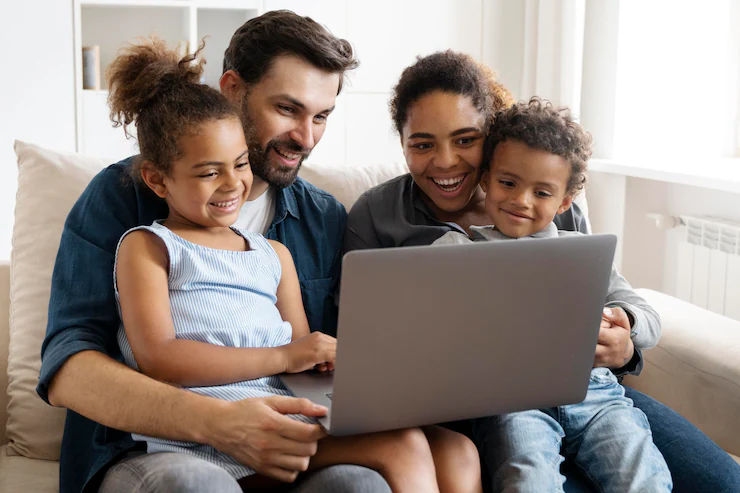

As more seniors and individuals with disabilities choose to live independently, technology has become a vital tool for supporting autonomy and well-being. From smart home devices to health monitoring systems, these innovations offer convenience, security, and peace of mind. However, with the benefits come new concerns about independent living technology safety and privacy. Understanding how to use these tools responsibly can help protect both personal information and physical security.
Whether you’re a resident, family member, or caregiver, it’s important to stay informed about best practices for using technology in independent living settings. This guide covers essential safety precautions, privacy considerations, and practical steps to help you make the most of modern solutions while minimizing risks.
For those interested in additional ways to enhance daily living, consider reading about grab bars for independent living to improve bathroom safety and support.
Understanding the Role of Technology in Independent Living
The use of smart devices and digital tools in independent living environments has grown rapidly. These technologies can include:
- Medical alert systems and personal emergency response devices
- Smart home automation (lights, locks, thermostats)
- Wearable health trackers
- Remote monitoring cameras and sensors
- Medication reminders and dispensers
While these solutions offer increased safety and convenience, they also introduce new vulnerabilities. Being proactive about technology safety for independent living is crucial for maintaining both independence and peace of mind.
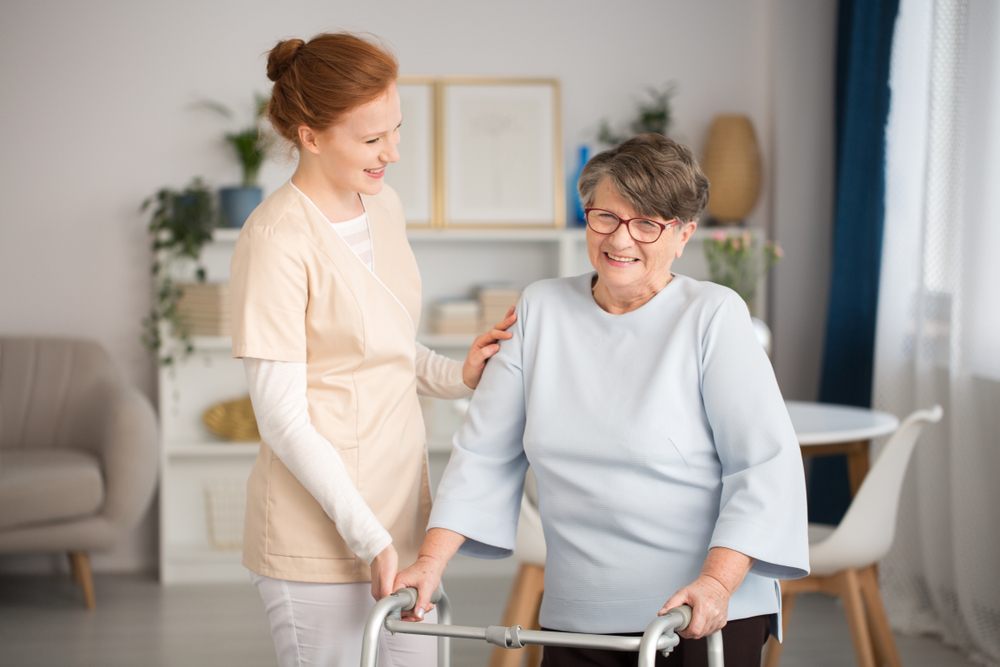
Key Safety Practices for Using Technology at Home
To get the most benefit from digital tools while reducing risks, follow these essential safety practices:
Secure Your Devices and Networks
- Use strong, unique passwords for each device and online account. Avoid using easily guessed information like birthdays or pet names.
- Enable two-factor authentication where available, especially for devices that control home entry or access sensitive health data.
- Keep software and firmware updated to protect against known vulnerabilities. Set devices to update automatically if possible.
- Secure your Wi-Fi network with a strong password and WPA3 encryption. Avoid using public Wi-Fi for accessing sensitive information or controlling smart home devices.
Limit Access and Permissions
- Review app permissions regularly and only allow access to features that are necessary for the device to function.
- Disable remote access on devices unless it is absolutely needed. If remote monitoring is required, ensure only trusted individuals have access.
- Be cautious with voice assistants and smart speakers, as these may record conversations or respond to unintended commands.
Monitor for Unusual Activity
- Check device logs and notifications for signs of unauthorized access or changes in settings.
- Set up alerts for unusual activity, such as unexpected logins or changes to device configurations.
- Educate all users in the household about safe device use and how to recognize potential scams or phishing attempts.
Protecting Privacy in a Connected Home
Privacy is a major concern when using technology in independent living environments. Many devices collect data about daily routines, health, and location. To safeguard personal information:
- Read privacy policies before purchasing or activating devices. Understand what data is collected, how it is used, and who can access it.
- Opt out of data sharing features that are not essential for your needs.
- Regularly delete old recordings or data logs from cameras, smart speakers, and other devices.
- Limit camera placement to common areas and avoid installing cameras in private spaces like bedrooms or bathrooms.
For more ideas on maintaining a safe and private home, you may also want to explore independent living bathroom fall prevention strategies.
Choosing Safe and Reliable Technology Solutions
Not all devices are created equal. When selecting technology for independent living, prioritize products from reputable brands that offer robust security features and clear privacy policies. Look for:
- Third-party security certifications or endorsements
- Transparent update and support policies
- Positive user reviews that mention reliability and ease of use
- Accessible customer support for troubleshooting and questions
Before making a purchase, consult resources like the independent living home safety checklist for a comprehensive overview of what to consider.
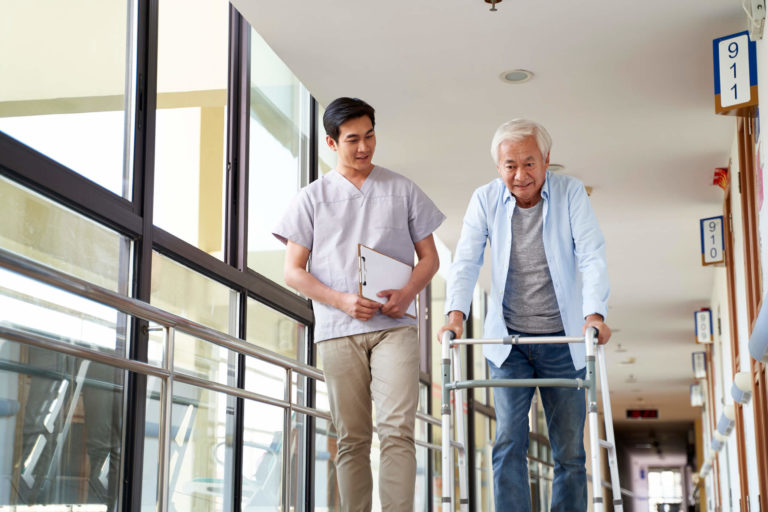
Integrating Technology with Other Safety Measures
While digital tools are valuable, they should complement—not replace—other essential safety measures. For example, using walking aid safety independent living tips can help prevent falls, while technology can provide alerts if a fall occurs.
- Combine smart sensors with physical supports like grab bars and non-slip mats.
- Schedule regular safety checks of both digital and physical systems.
- Stay informed about new threats and updates in both technology and home safety best practices.
For those who drive, reviewing driving safety seniors living alone can further enhance overall well-being and independence.
Supporting Loved Ones with Safe Technology Use
Family members and caregivers play an important role in promoting independent living technology safety. Open communication and ongoing education are key:
- Discuss privacy preferences and comfort levels with technology use.
- Provide training on device use, password management, and recognizing scams.
- Establish check-in routines that balance independence with support.
- Encourage regular reviews of device settings and permissions.
If mobility is a concern, learning about transfer safety living alone can help create a safer environment alongside technological solutions.
Frequently Asked Questions
How can I make sure my smart home devices are secure?
Use strong, unique passwords for each device, enable two-factor authentication, and keep all software updated. Secure your Wi-Fi network and review device permissions regularly to minimize risks.
What should I look for in a safe technology product for independent living?
Choose devices from reputable brands with clear privacy policies, regular software updates, and positive user reviews. Look for third-party security certifications and accessible customer support.
How can I protect my privacy when using health monitoring devices?
Read privacy policies to understand what data is collected and how it’s used. Opt out of unnecessary data sharing, delete old data regularly, and limit device placement to non-private areas when possible.
Are there resources to help me assess the safety of my home technology setup?
Yes, you can consult checklists such as the independent living home safety checklist for comprehensive guidance on evaluating your environment.
Conclusion
Embracing technology in independent living environments can offer significant benefits, from increased safety to greater autonomy. By following best practices for independent living technology safety, staying vigilant about privacy, and integrating digital tools with traditional safety measures, individuals and their loved ones can enjoy the advantages of modern living with confidence and peace of mind.